












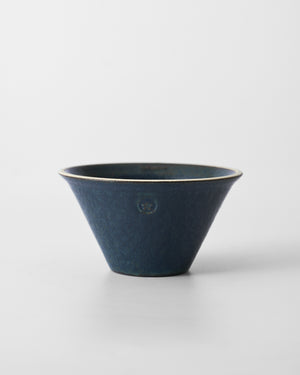
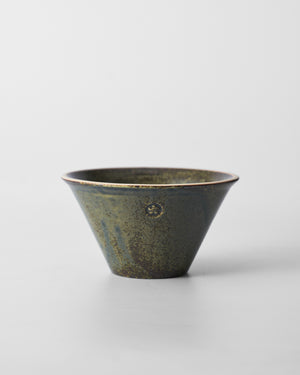
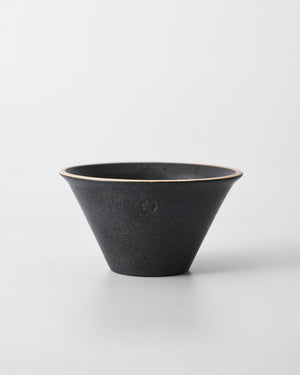
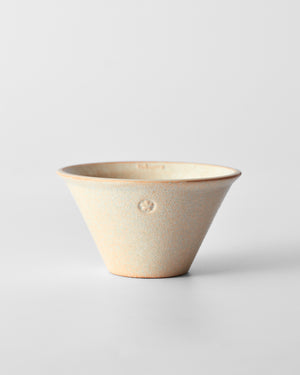

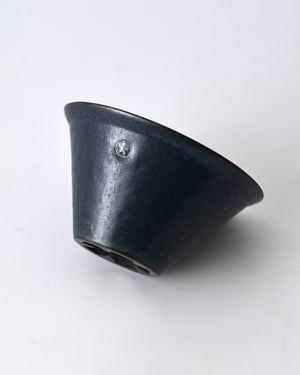
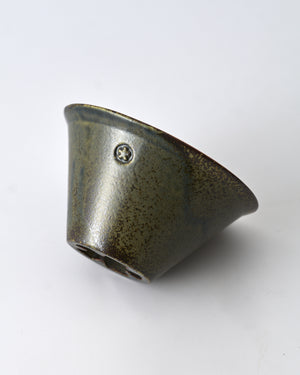
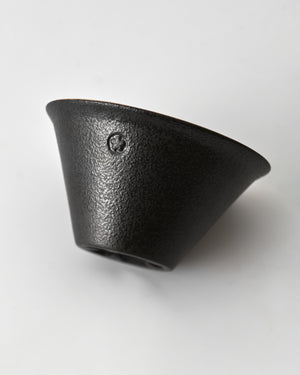
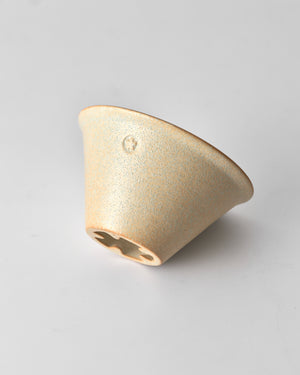
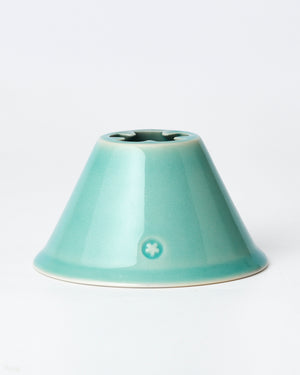
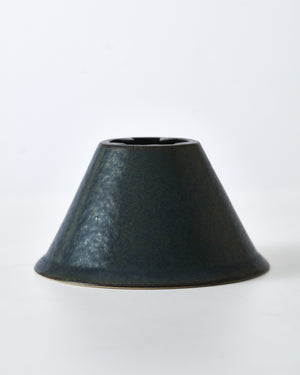
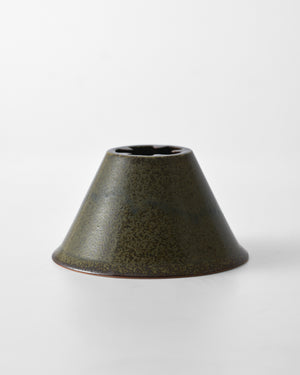
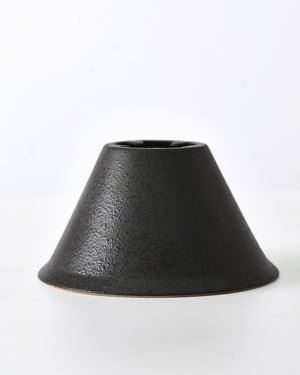
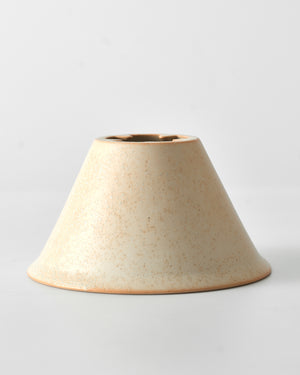

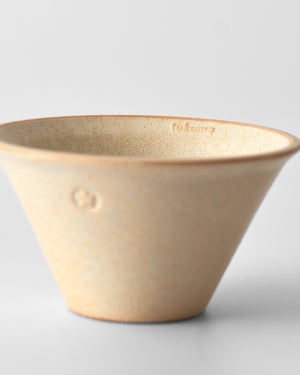
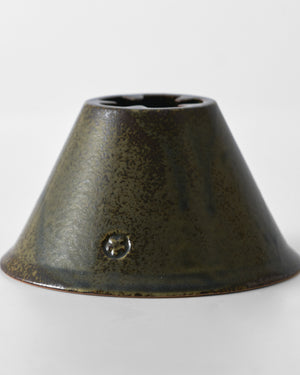
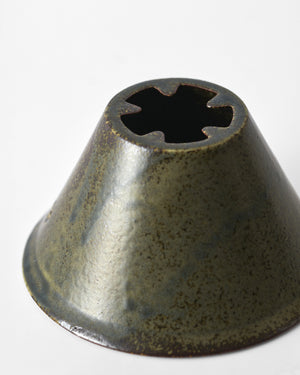



A Vibrant Kurasu-Exclusive Color
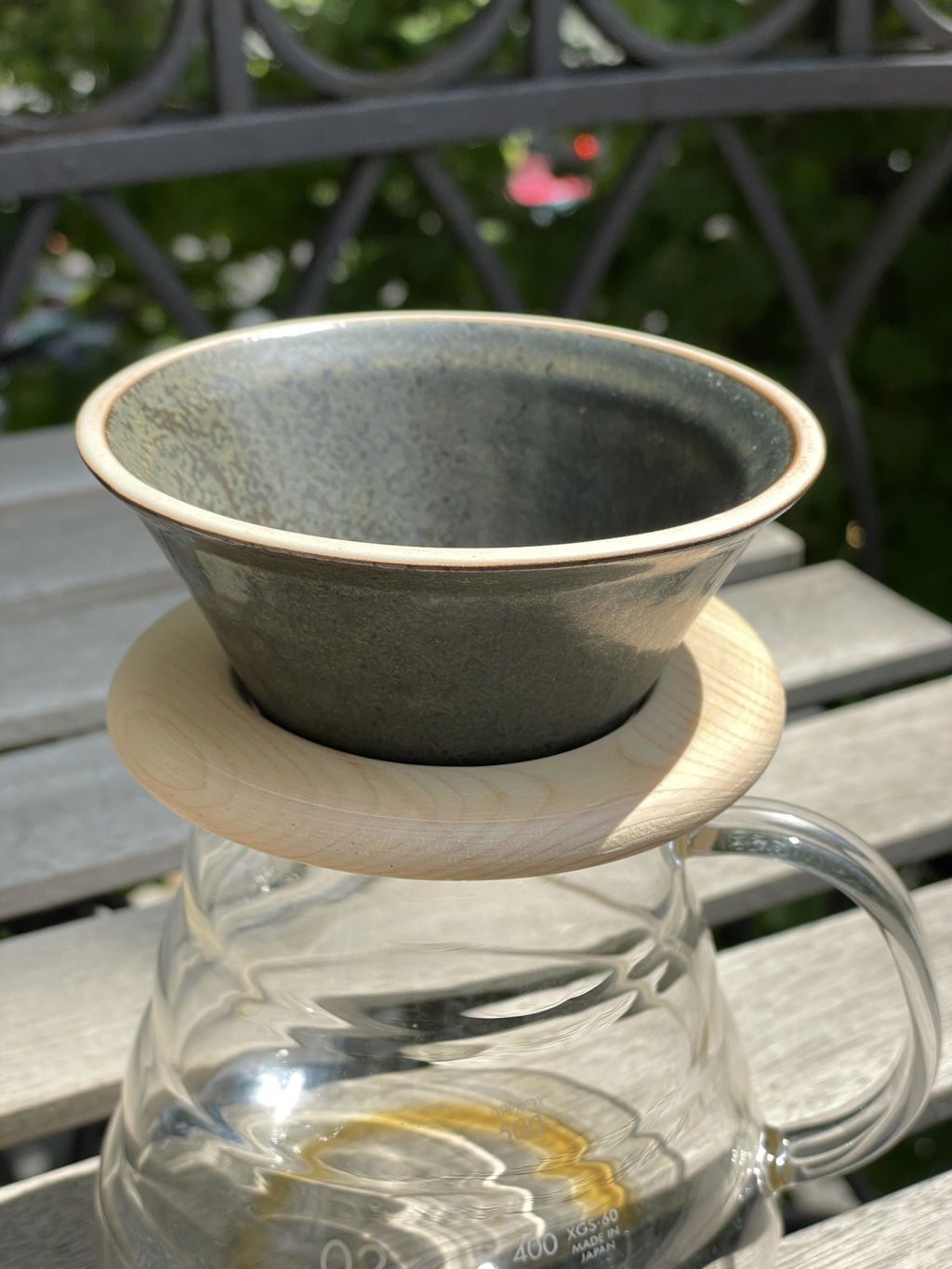
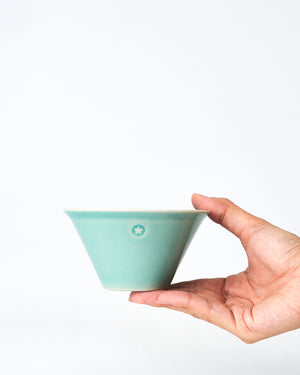
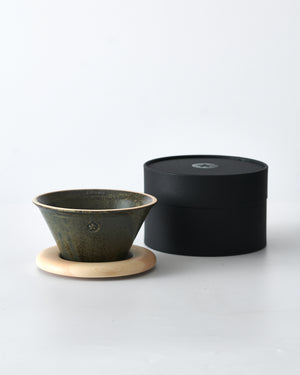
Forget-me-not (”wasurenagusa” in Japanese) Blue is a Kurasu original color born from the relationship between tukumo japan and Kurasu.
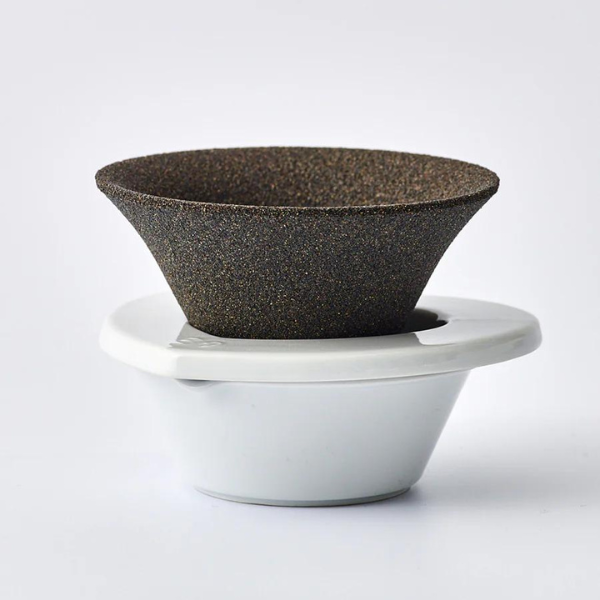
The idea of creating an original tukumo Dripper came from our desire to give shape to the relationship we have built with Honda-san over the years, while bringing the craftsmanship of Seto and the work of its artisans to more people.
Through many conversations with Honda-san, we focused on creating something that would reflect both tukumo’s commitment to making objects that can be used and cherished for years to come, and Kurasu’s approach to everyday coffee. We wanted the dripper to sit naturally alongside tukumo’s existing lineup and blend seamlessly into daily life, while still bringing something new that could only come from this collaboration.
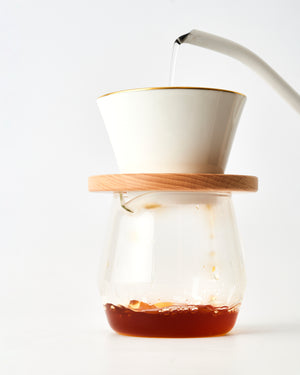
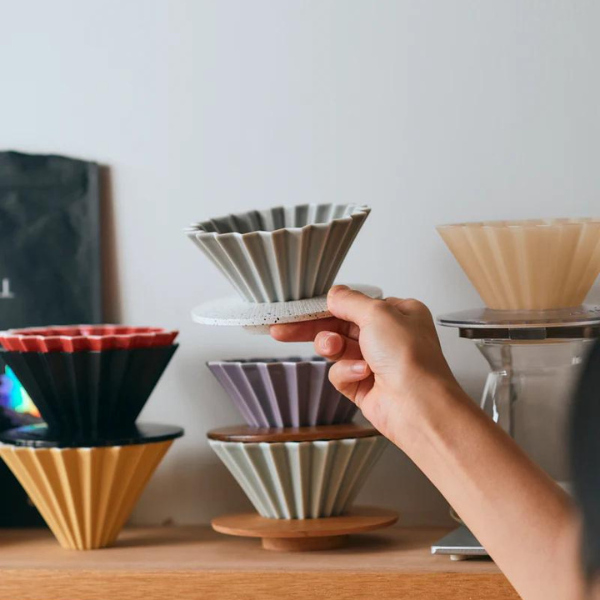
Forget-me-not Blue brings a lighter, brighter expression to the existing lineup. With its slightly brighter tone, the color was designed to bring a fresh touch to your daily coffee routine. In preparation for its debut at SCAJ, we worked closely with Honda-san of tukumo japan to develop a color that feels true to both Kurasu and tukumo.
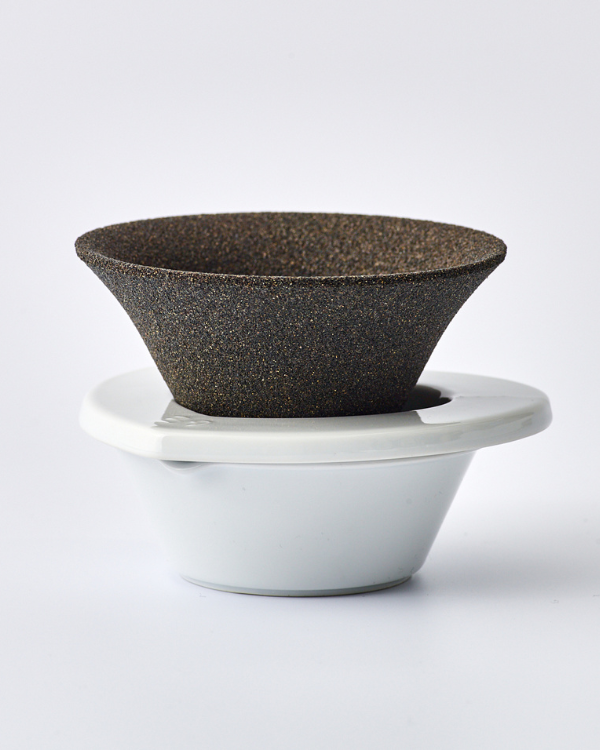
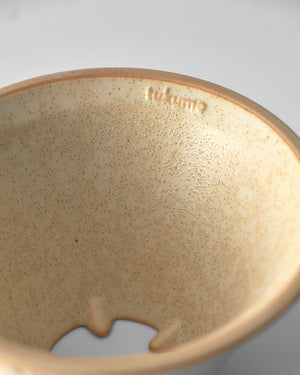
The smooth, glazed surface makes it easy to rinse away residue after use and simple to care for. Beyond its visual appeal, its ease of everyday use is another part of its charm—a dripper you can reach for without hesitation, day after day.
This is the new tukumo Dripper—made to be used and enjoyed for years as part of everyday life, while bringing a little more joy to each coffee moment whenever you pick it up.
tukumo japan: A Coffee Equipment Brand Born in Seto
tukumo japan is a coffee equipment brand born in Seto City, Aichi—famous for its centuries-old ceramics tradition. Its founder, Junya Honda, formerly ran little flower coffee, a specialty coffee shop in Seto. While working there as a barista himself, his desire to share “the small happiness that comes from a single cup of coffee” inspired him to personally design and develop this dripper, combining Seto’s local materials with the skill of regional artisans.
Today, he continues his work under the tukumo japan brand, creating coffee equipment designed to make brewing easier, more enjoyable, and more delicious.
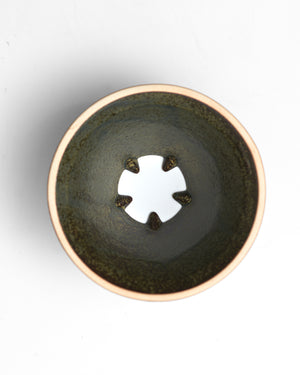
The first prototypes began with a smooth inner wall, free of ridges or protrusions, aiming to create something distinct from existing products while keeping usability at the core.
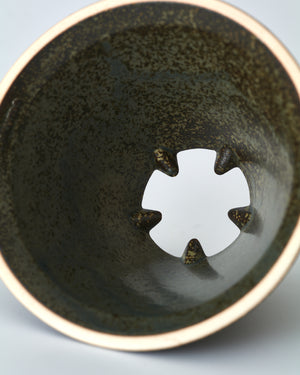
Over 40–50 prototypes were made with a 3D printer, with countless adjustments to the number, length, and placement of bottom protrusions. The final design features five claws that allow air channels to form inside, preventing over-extraction and ensuring a stable, consistent brew.
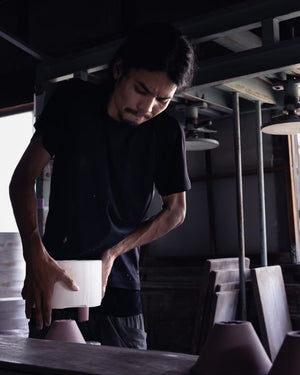
Each piece is hand-finished by artisans—burrs removed, surfaces smoothed—and then individually inspected once more by Honda-san himself before reaching customers.
Seto’s Clay and the Spirit of the Name “tukumo”
Made from Seto’s uniquely fortified clay, the dripper is durable and long-lasting. The project was supported by both the land and the people Honda-san met along the way.
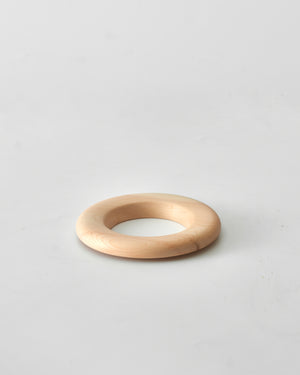
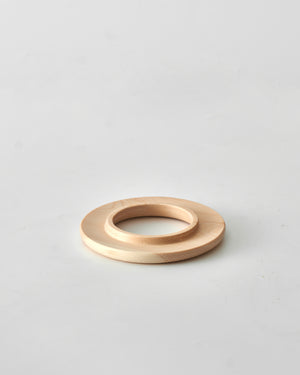
The holder is crafted from Hinoki cypress, a fragrant Japanese wood also sourced locally. It comes from trees felled during the maintenance of neglected forests, making it part of a cycle of sustainable use. With the help of woodworking studio Watari Kobo, the Hinoki was shaped into a holder that blends functionality with the natural warmth of wood.
The name “tukumo” comes from Tsukumogami (付喪神)—a spirit said to dwell in tools cherished and used for generations. It reflects Honda-san’s wish for the dripper to be something long-lived, passed down across time. The name also alludes to “tsukumo (白)”, one of the many names for white- inspired by the natural pale color of Seto clay, tying the product back to its material roots.
The tukumo Dripper is thus not just a brewing tool, but a piece meant to live and grow old with you, born of nature and people of Seto.
A Second Life for Every Piece
Because each dripper is handmade, subtle variations naturally occur. Some may show faint translucence in the clay after firing, or slightly deeper cuts in certain areas. Instead of discarding these, they are repurposed into candlestick holders, planters, and other objects in collaboration with local creators.